
Travel Tips
What actually fits in a liveaboard cabin
By 71 Guardians · Published 21 Jul 2026
Bring a soft bag, not a hard suitcase
This is the single biggest upgrade you can make to your own comfort on board. Cabins have a wardrobe or a set of drawers, not a walk-in closet — a soft duffel bag folds flat and slides under the bed once it's unpacked, where a hard-shell suitcase just sits in the middle of the floor for a week.
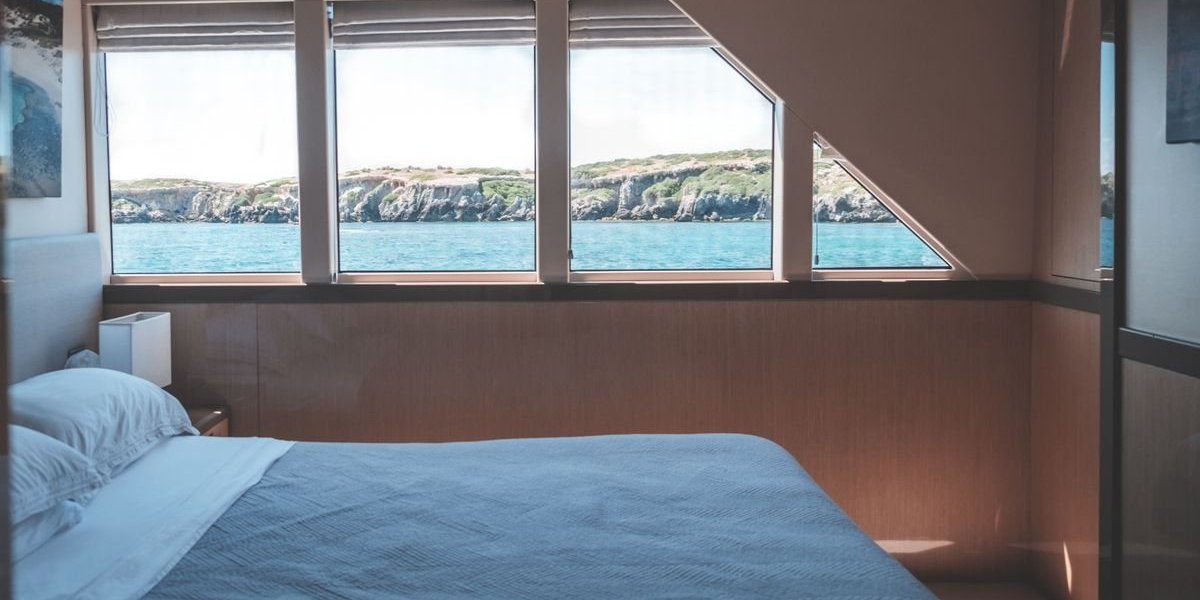
What's actually in the cabin
- Bed: twin or double, made up before you board.
- Storage: a small wardrobe or shelving, plus a bedside shelf or drawer for essentials.
- Ensuite: shower and toilet, usually compact.
- Power: at least one socket per cabin for charging dive computers, cameras and phones.
- Window or porthole: most cabins have natural light and a sea view; ask when you book if that matters to you.
Gear: bring what fits your feet and face, rent the rest
Mask, fins and boots are worth bringing your own — comfort and fit matter most for these three, and they pack small. Wetsuit, BCD and regulator are all available to rent on board, and skipping them saves real space and weight in your bag.
What to actually leave at home
- A hairdryer — most boats have one to share.
- More than 2–3 changes of regular clothes — you'll be in a wetsuit or swimwear most of the day.
- Heavy books — a tablet or e-reader saves real weight over a week.
- A second pair of shoes — sandals for the boat, one pair of closed shoes for travel days.
The saloon is your real living room
Cabins are for sleeping — the shared saloon is where you'll actually spend downtime between dives: logging dives, charging bigger equipment, eating, and where the crew runs briefings.